
What Is Restorative Practice? A Guide for SEN Educators and Parents
Behaviour support in a special needs setting can feel challenging. Traditional discipline often falls short. For example, when a child has a meltdown or hits another pupil, a simple “time-out” rarely solves the underlying problem.
Restorative practice offers a better way forward. Rather than asking, “What rule was broken?”, it asks:
- What happened?
- Who was affected?
- How can we put things right?
As a result, restorative practice helps pupils learn responsibility in a meaningful way, rather than simply learning to fear punishment.
What Is Restorative Practice?
Restorative practice is an approach that helps people build relationships and resolve conflict together. It focuses on collaboration rather than punishment. Instead of doing things to or for children, adults work with them.
This matters even more for students with special needs. They often need extra support to understand emotions, actions, and social situations, so involving them actively in the process helps them build these skills over time.
Restorative practice for SEN students is not a single technique but a whole-school approach to relationships, communication, and repair. When it is used consistently, restorative practice for SEN children becomes part of the everyday culture, rather than a one-off intervention after something has gone wrong.
The Core Principles: The Three Rs
Restorative practice rests on three key ideas:
1. Responsibility: Children take ownership of their actions. They learn what they did and why it matters.
2. Respect: Everyone feels heard and valued, including the child, the parent, and the teacher.
3. Relationships: The main goal of restorative practice for SEN children is to repair and strengthen relationships, not simply to enforce rules.
Together, these principles create a safe and supportive environment where restorative practice can genuinely take root.
Why Restorative Practice Works for Children with Special Needs
Many students with special needs, including autistic pupils and those with ADHD, find social situations difficult. For example, they may struggle to read other people’s thoughts or feelings in the moment.
Because of this, punishment alone can feel confusing or unfair. Restorative practice, by contrast, gives students with special needs a clear structure for understanding what happened and why.
Restorative practice for SEN children helps them to:
- understand and name their emotions
- build communication skills
- reflect calmly on their actions
In addition, the structured conversations at the heart of restorative practice give children with special needs clear language to express themselves, which makes social learning far easier. This is one reason restorative practice for SEN students has grown so popular in specialist settings and mainstream schools alike.
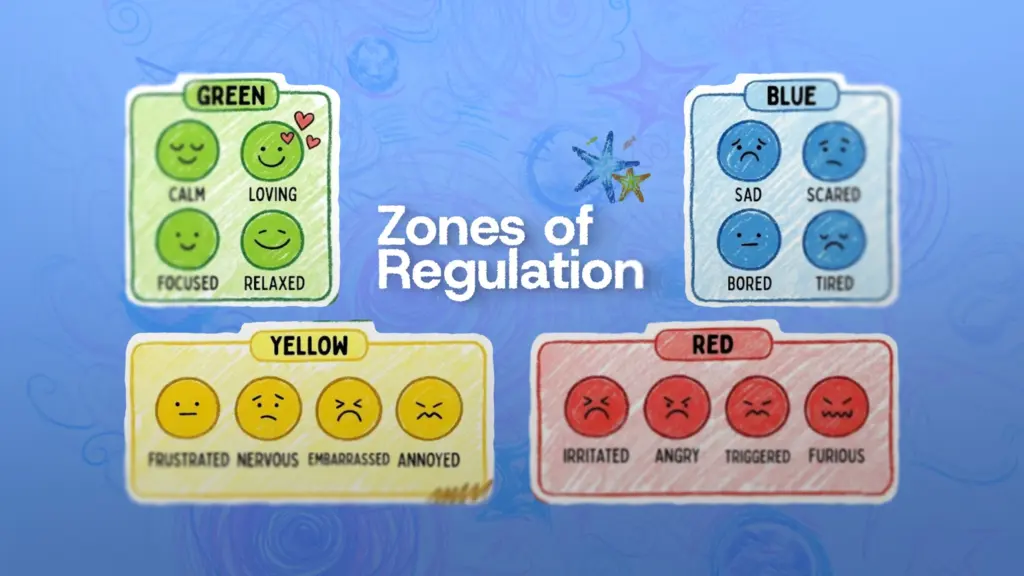
For students with special needs who struggle with abstract questions, adapting the method with visual supports makes restorative practice more accessible. This flexibility also means it can be tailored to each child’s communication style, rather than applied as a rigid script.
Restorative Practice in Action: Simple Tools
1. Use Restorative Questions
When a problem happens, ask clear, simple questions as part of restorative practice:
- What happened?
- What were you thinking at the time?
- What do you think now?
- Who was affected by this?
- What can you do to make it right?
These questions guide the child step by step, helping them reflect and learn rather than simply comply.
For students with special needs who have communication needs, you can adapt this process by using:
- visual aids
- emotion charts
- PECS (Picture Exchange Communication System)
This adaptation ensures that restorative practice for SEN students remains accessible, whatever a child’s communication level.
2. Try Restorative Circles
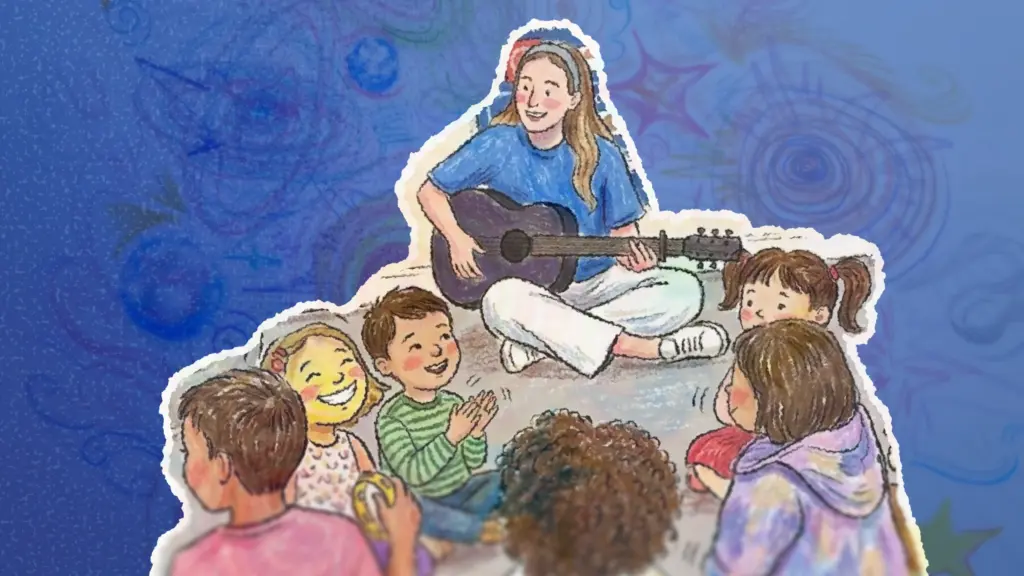
Restorative circles are a well-established tool within restorative practice for SEN children, helping groups talk and listen to one another.
Proactive circles: Use these daily as part of a preventative approach. They build trust and help students with special needs share their feelings before problems arise.
Responsive circles: Use these after an incident. They give everyone involved a chance to speak safely, in keeping with this collaborative spirit.
Because of this dual method, children feel heard and supported, whether the circle is proactive or responsive.
Benefits of Restorative Practice for Parents and Educators
Restorative practice reduces stress for adults as well as children. Instead of acting as a “disciplinarian,” you become a guide, and this approach changes the tone of every interaction.
As a result:
- children feel safer
- adults feel calmer
- relationships improve
In addition, the regular back-and-forth conversations built into restorative practice help pupils develop self-regulation skills over time. For students with special needs in particular, this consistent approach can make an enormous difference to their confidence in the classroom.
Educators who commit to restorative practice for SEN students often report that the biggest shift is not in behaviour charts, but in trust. Once children with special needs feel that adults are genuinely listening, they become far more willing to engage with the process.
Moving Forward with Restorative Practice
Restorative practice takes time and effort to embed well. However, this approach creates long-term change that punishment alone rarely achieves.
It teaches children:
- empathy
- responsibility
- problem-solving
Most importantly, restorative practice for SEN children shows pupils that mistakes can be repaired rather than simply punished. This builds confidence and resilience in students with special needs, and it gives parents and educators a shared, consistent approach to rely on.
Whether you are just starting out or looking to refine an existing framework, restorative practice for SEN students offers a practical, relationship-centred way to support special needs children through everyday challenges — one conversation at a time.