
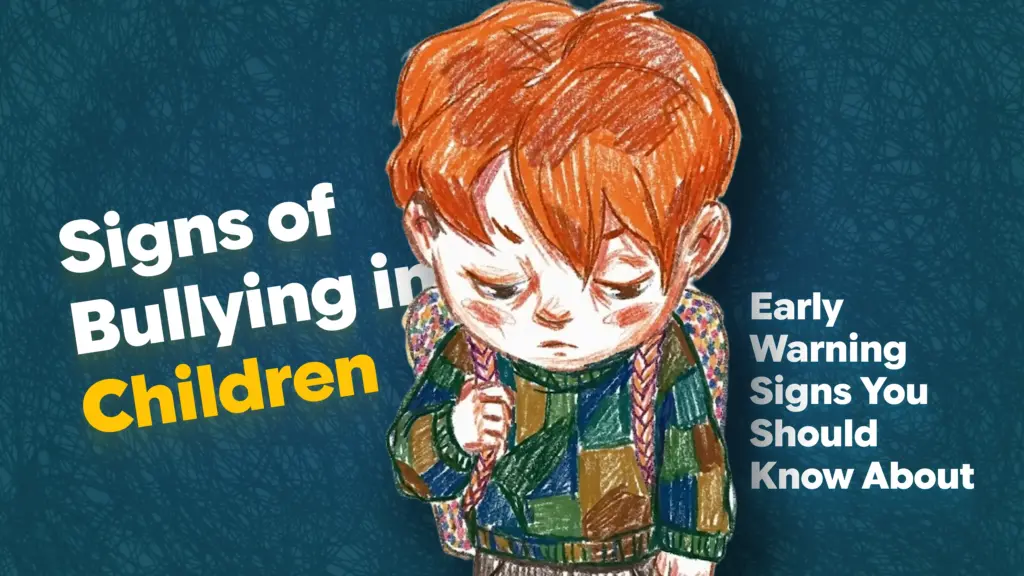
Signs of bullying in children are often subtle. Therefore, they are easy to miss. However, early detection is critical to protecting a child’s emotional, psychological, and social well-being.
There is extensive research on bullying. It explains its definition, warning signs, causes, effects, and prevention strategies. According to Younan (2018), bullying behaviour must be aggressive, intentional, repetitive, involve a power imbalance, and be unprovoked, all in favour of the bully. In other words, bullying is not a single disagreement. Instead, it is a repeated pattern of harm.
Many people still believe bullying helps children “toughen up.” However, this belief is mistaken. The consequences of bullying can be severe and long-lasting. For example, research shows that individuals who experience bullying are less likely to be employed and tend to accumulate less wealth later in life (Brimblecombe et al., 2018). More importantly, a child may be suffering in silence.
For this reason, identifying the early signs of bullying in children is essential. Early detection allows families and schools to intervene quickly. As a result, children receive support before long-term emotional harm develops.
Signs of Bullying in Children: What to Look For
Bullying can take different forms. Therefore, the signs of bullying in children may vary depending on age, personality, and environment. Below are the most common warning signs parents and teachers should monitor.
Physical Signs of Bullying in Children
Some signs of bullying in children appear physically. These are often the first noticeable indicators.
- Unexplained bruises, cuts, or injuries
- Torn clothing or frequently lost belongings
- Frequent headaches, stomach aches, or nausea without a clear medical cause
- Sudden changes in sleep patterns or recurring nightmares
These physical symptoms are often stress-related. In many cases, the body reacts to ongoing fear or anxiety.
Behavioural Signs of Bullying in Children
Behavioural changes are among the most common signs of bullying in children. Importantly, these changes often appear gradually.
Watch for:
- Avoidance of school or reluctance to attend classes
- Withdrawal from friends or social activities
- Loss of interest in hobbies once enjoyed
- Increased aggression, irritability, anxiety, or sadness
- Secretive behaviour or emotional outbursts
- Changes in eating or sleeping habits
These behaviours may indicate emotional distress. Therefore, sudden or persistent personality shifts should not be ignored.
Digital Changes as Signs of Bullying in Children
Today, bullying often occurs online. As a result, digital behaviour can reveal important warning signs.
Digital signs of bullying in children may include:
- Reluctance to use phones or computers
- Visible distress after being online
- Quickly hiding screens when approached
- Withdrawal from social media or messaging apps
Because cyberbullying can happen at any time, monitoring digital changes is especially important.
Academic Changes as Signs of Bullying in Children
Academic performance is frequently affected when a child is being bullied. Therefore, changes at school should always be taken seriously.
Common academic signs of bullying in children include:
- Sudden drop in grades
- Reduced academic engagement
- Increased absenteeism
- Frequent requests to stay home
- Difficulty concentrating
- Expressing fear about school environments
A noticeable decline in performance should prompt further inquiry, especially when combined with physical or behavioural warning signs.
What to Do Next If You Notice Signs of Bullying in Children
Recognising the signs of bullying in children is the first step. However, early action is just as important.
First, create a safe space for your child to talk. Listen calmly and without judgment. Next, document incidents clearly. Then, collaborate with teachers or school staff to address concerns.
Early intervention can prevent escalation. In addition, it reduces the risk of anxiety disorders or more severe psychological difficulties later in life.
A detailed discussion of intervention strategies and school-based responses will be explored in a separate blog focused on preventing and addressing bullying.
How to Stop Bullying at School
Additional Resources on Bullying in Children
For further guidance on recognising the signs of bullying in children, the following external resources may be helpful:
- How Do You Know if Your Child Is Being Bullied? – UNICEF
- Warning Signs for Bullying – StopBullying.gov
- Bullying at All Ages – Boston Children’s Hospital
Koji Academy Anti-Bullying Policy
At Koji Academy, we maintain a zero-tolerance stance toward bullying. Therefore, if you suspect bullying, we encourage immediate reporting and provide clear channels for support and resolution.