
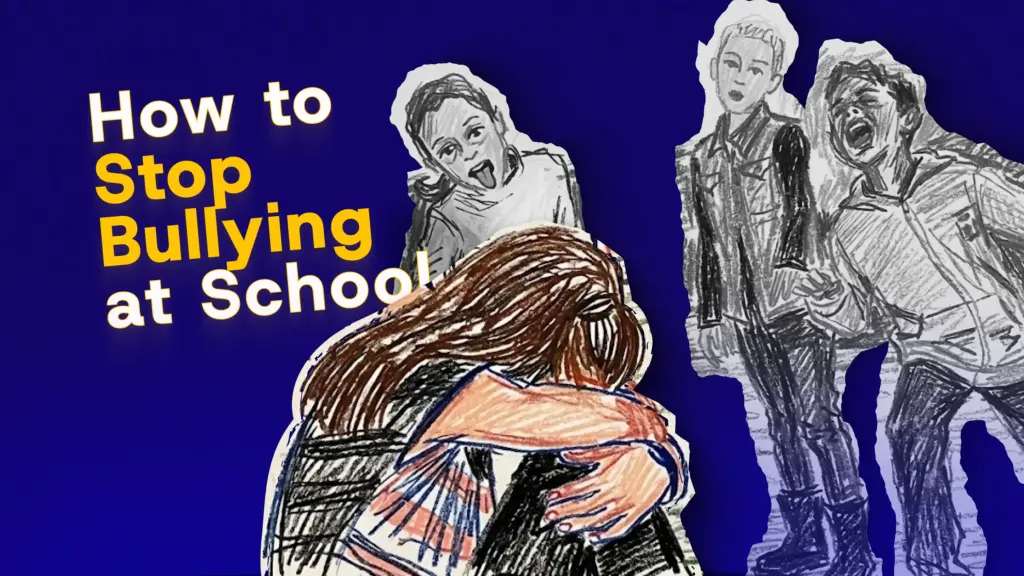
When the bell rings, most things about school life pause until the following morning. Bullying, unfortunately, doesn’t always work that way. For many young people, it follows them home through group chats and social media, and that changes what it means for schools and families to address it properly.
Our shared goal is simple: every pupil should feel genuinely safe here, both on site and online. But that doesn’t happen through a policy document alone. It takes a daily working partnership between staff, parents, and pupils. Here is an honest look at how we approach that.
Spotting the Signs of Bullying at School
Most people picture bullying as something loud and obvious. In reality, a lot of what we see today is far more subtle, and that is exactly why it can go unnoticed for so long.
Our pastoral staff are trained to look out for certain patterns, and these are equally worth keeping an eye on at home:
Withdrawing Socially
A pupil who normally thrives around friends suddenly prefers to sit alone or avoids group work. This is a common sign of bullying worth noticing.
The Sunday Evening Feeling
Recurring stomach aches the evening before Monday, or requests to visit the medical room just before a particular lesson, can be a quiet signal that something is not right.
A Change in Phone Behaviour
Either becoming unusually attached to their devices or quickly hiding the screen whenever a notification comes through. Suspicious behaviour around phones or digital devices might indicate signs of cyberbullying.
These are not definitive proof of anything on their own, but they are worth a conversation. The earlier we pick up on them together, the easier it is to step in before things escalate.
To learn more about the signs of bullying, you can read our blog.
Building a Culture where Bullying has Less Room to Grow
Addressing bullying is not just about reacting when something goes wrong; it is about creating an environment where it is less likely to take hold in the first place.
That starts with clear, consistent expectations. Pupils need to understand where the line is, including online, and trust that any breach of it will be handled fairly and firmly, regardless of who is involved. It also means our staff are deliberately present in the spaces where bullying is most likely to happen: corridors, lunch queues, and the bus bay. Approachable adults in those spaces make a real difference.
A Tiered Approach to Support

There is no single response that works for every pupil. We think about support in three layers:
For all Pupils
Emotional literacy is woven into form time and PSHE, not as a lecture on what bullying is, but as a normal part of learning how to communicate and relate to others.
For Pupils Showing Early Signs of Difficulty
Small group sessions for those who find social situations tricky or struggle with managing emotions, giving them practical tools before problems develop.
For Pupils Who Need More
One-to-one time with our pastoral leads or school counsellor to work through what’s going on at the root level and rebuild confidence.
Moving from Bystanders to Upstanders
In most incidents, there’s an audience. Research shows that when a fellow pupil safely intervenes, a situation usually diffuses within about ten seconds. The problem is that most children freeze; they don’t want to draw attention to themselves or make things worse.
We don’t ask pupils to be heroes. We teach them low-risk, practical things they can actually do: change the subject, quietly check in with a friend after the fact, or use one of our anonymous reporting channels. When the bystanders stop validating the behaviour, the person doing it loses their audience, and usually their motivation.
Why Do We Use Restorative Practice Rather than Just Exclusion
A fixed-term exclusion can feel like a decisive response, but it often just delays the problem. A pupil sits at home, falls behind, returns with resentment, and the original issue is still unresolved.
Restorative practice asks a different set of questions: not just “what rule was broken?” but “who has been affected, and what needs to happen to put things right?” Bringing pupils together in a structured, supported conversation helps the person who caused harm to genuinely understand the impact of what they did. That accountability tends to last a lot longer than a suspension.
Simple Things that Keep the Conversation Going Day to Day
Alongside the bigger-picture work, our teachers use a few classroom approaches that pupils actually respond to:
The Question Box
Every tutor group has a secure box where pupils can drop unsigned notes about anything they have noticed or are worried about. It gives form tutors a window into group dynamics without anyone needing to speak up directly.
The Wrinkled Heart
Pupils crumple a paper heart, then try to smooth it flat again. It is a simple, lasting image: an apology can repair something, but the marks left by unkind words don’t disappear completely.
The T.H.I.N.K. Principle
Schools can introduce this acronym and display the message around: Is it True? Helpful? Important? Necessary? Kind? Five quick questions before you speak or say anything to anyone.
If you want to explore more activities like these, you can check this resource.
A Note for Parents
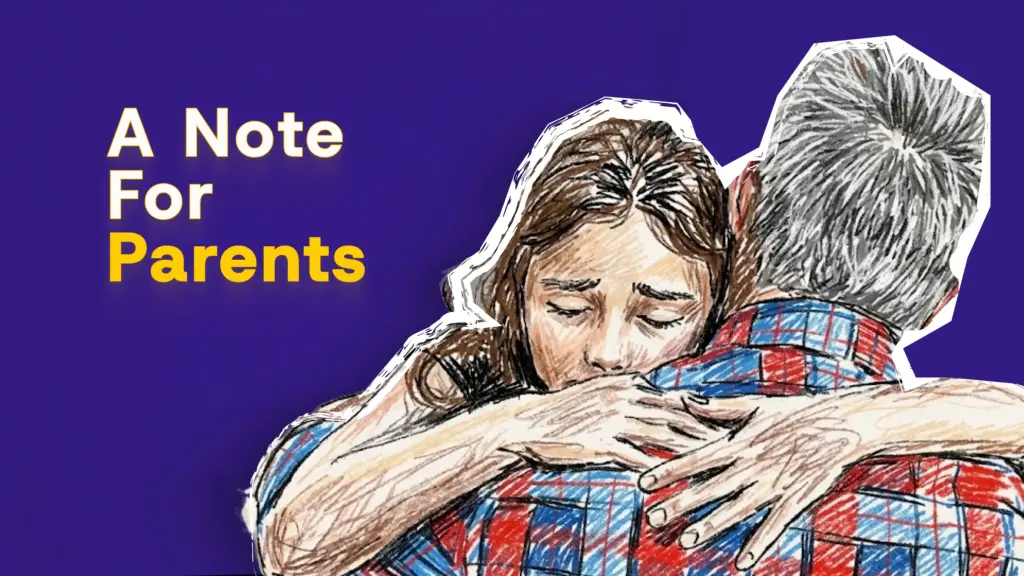
Bullying is not something a school can tick off a list at the start of term. It requires ongoing attention from staff, from pupils, and from families.
When you notice something at home that doesn’t quite add up, please do get in touch. A two-minute conversation with your child’s form tutor or pastoral lead is often all it takes to get things moving in the right direction. When school and home are working from the same page, young people feel it, and that sense of security is what allows them to thrive academically and socially.
We are always here to talk. Get in touch with our admin or send a message here.